The Advantages of Membrane Layer Bioreactors in Lasting Wastewater Monitoring
Membrane layer bioreactors (MBRs) represent a pivotal advancement in lasting wastewater management, effectively combining biological therapy with advanced membrane purification innovation. As the need for lasting solutions intensifies, checking out the multifaceted advantages of MBRs may disclose unexpected effects for the future of wastewater treatment systems.
Overview of Membrane Bioreactors
Membrane layer bioreactors (MBRs) represent a substantial development in wastewater therapy innovation, incorporating biological destruction with membrane filtering to boost the effectiveness of the therapy process. This ingenious system combines the benefits of standard activated sludge processes with membrane layer technology, enabling boosted solid-liquid separation. MBRs use semi-permeable membrane layers to separate treated water from biomass, causing top quality effluent that can be recycled or securely discharged into the atmosphere.
The functional layout of MBRs usually entails a bioreactor where microorganisms break down natural issue, followed by a membrane system that filterings system the mixed liquor. This setup not just decreases the impact of the treatment facility but likewise permits for greater biomass focus and reduced hydraulic retention times. MBRs are qualified of dealing with a broader array of pollutants, including microorganisms and nutrients, making them appropriate for different applications, from local wastewater treatment to industrial effluent processing.
The combination of MBRs into wastewater management systems is indicative of a growing trend in the direction of lasting and effective practices in environmental engineering. Their capacity to generate high-grade effluent while minimizing room needs placements MBR innovation as a principal in modern wastewater therapy remedies.
Improved Effluent High Quality
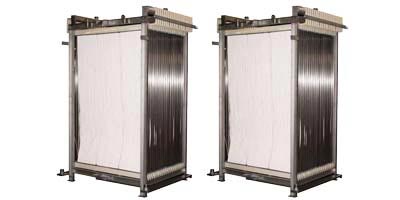
The membrane filtering procedure serves as a physical barrier, making it possible for the retention of bacteria and particulate issue, which contributes to a more clear and cleaner effluent (Membrane Bioreactor). Moreover, MBRs operate at greater biomass concentrations than conventional triggered sludge systems, advertising extra reliable biodegradation of pollutants. This causes a reduction in biochemical oxygen demand (BOD) and overall suspended solids (TSS) levels in the final effluent
Additionally, MBRs demonstrate superb performance in dealing with tough wastewater compositions, such as commercial effluents and wastewater with high nutrient lots. Consequently, the effluent generated is commonly of better, enabling even more adaptable disposal choices and reduced ecological impact. Eventually, the boosted effluent quality accomplished through MBR innovation underscores its vital duty beforehand sustainable wastewater monitoring methods.
Water Reuse Opportunities
The high-quality effluent created by membrane layer bioreactors (MBRs) opens up substantial opportunities for water reuse in different applications. MBRs properly remove contaminants, consisting of virus, suspended solids, and organic matter, leading to treated water that fulfills or goes beyond regulatory standards for reuse. This quality enables the implementation of water recycling efforts across diverse markets.
One noticeable application is in agriculture, where treated wastewater can be utilized for irrigation, promoting lasting farming methods while preserving fresh water sources. Furthermore, MBR-treated effluent can be made use of for commercial procedures such as air conditioning, cleansing, and as a procedure water resource, dramatically reducing the demand for potable water in these procedures.
In city settings, MBRs facilitate making use of reclaimed water for this landscape watering, commode flushing, and various other non-potable usages, adding to the general durability of water system systems. Moreover, the combination of MBR innovation in decentralized systems aids in managing localized water needs, especially in water-scarce areas.
Lowered Ecological Impact
How can the adoption of membrane layer bioreactors (MBRs) add to a decreased environmental influence in wastewater administration? MBRs substantially enhance the therapy effectiveness of wastewater while reducing ecological disturbances. By incorporating biological therapy processes with membrane layer purification, MBRs efficiently remove a vast variety of toxins, consisting of raw material, nutrients, and virus. This advanced filtration results in higher-quality effluent, which is important for protecting water environments and reducing the problem on all-natural water bodies.
Additionally, MBRs run at lower hydraulic retention times compared to conventional systems, leading to smaller sized therapy plant footprints. This small layout decreases land usage, thereby protecting all-natural environments and biodiversity. The procedure also generates much less sludge than conventional techniques, mitigating disposal challenges and lowering greenhouse gas discharges linked with sludge administration.
Furthermore, MBRs promote the recuperation of beneficial resources, such as water and nutrients, contributing to a round economic situation. By enabling water reuse for watering or industrial processes, MBRs help ease freshwater deficiency, hence promoting lasting water make use of techniques. Inevitably, the fostering of MBR modern technology stands for a substantial stride in the direction of minimizing the environmental impact of wastewater monitoring systems.
Financial Benefits of MBRs
Additionally, MBRs facilitate the production of top notch effluent, which can be recycled for different applications, such as agricultural irrigation and industrial procedures - Membrane Bioreactor. This reuse capability can significantly decrease water purchase expenses, offering a financial reward for markets dealing with rigid water guidelines
The small design of MBR systems also results in lowered land needs, which is particularly valuable in city locations where property is expensive. By minimizing space, communities and sectors can save on land acquisition and upkeep expenditures.
In addition, MBRs commonly call for much less frequent upkeep and have a longer life expectancy than conventional systems, additionally adding to cost financial savings. In summary, the financial advantages of MBRs-- varying from minimized operational prices to land savings and effluent reuse-- make them an engaging selection for lasting wastewater management, using both long-term and immediate economic benefits.
Verdict
In addition, MBRs add to minimized ecological effects with small styles and lower sludge generation. Economic advantages even more enhance their practicality, making MBRs an appealing service for dealing with the challenges of wastewater treatment and advertising lasting source administration.
Membrane bioreactors (MBRs) represent look at this now a pivotal advancement in lasting wastewater monitoring, successfully merging biological therapy with innovative membrane layer filtration technology.Membrane layer bioreactors (MBRs) stand for a considerable advancement in wastewater therapy modern technology, integrating biological destruction with membrane layer filtration to boost the effectiveness of the treatment procedure.Accomplishing improved effluent quality is one of the most substantial advantages of using membrane layer bioreactors my explanation (MBRs) in wastewater treatment.In addition, MBRs demonstrate excellent efficiency in treating tough wastewater structures, such as industrial effluents and wastewater with high nutrient loads.Integrating membrane bioreactors (MBRs) right into wastewater administration not only minimizes environmental influence but additionally provides substantial economic benefits.